BRIMI Conversation Project
Starting conversations that matter
The BRIMI Conversation Project is a book-based youth program created to help adults start meaningful conversations with children and teens. Through age-appropriate stories, self-awareness books, journals, and reflective activities, young people are given opportunities to talk, listen, connect, think about their own experiences, and better understand themselves and their worth. We believe sometimes the right story, question, or resource can give a young person a place to begin.
How Young People Participate
Ages 5–9 | Stories That Start Conversations
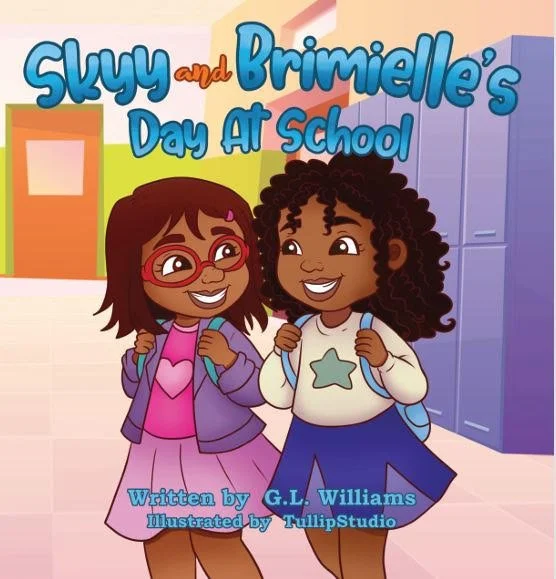
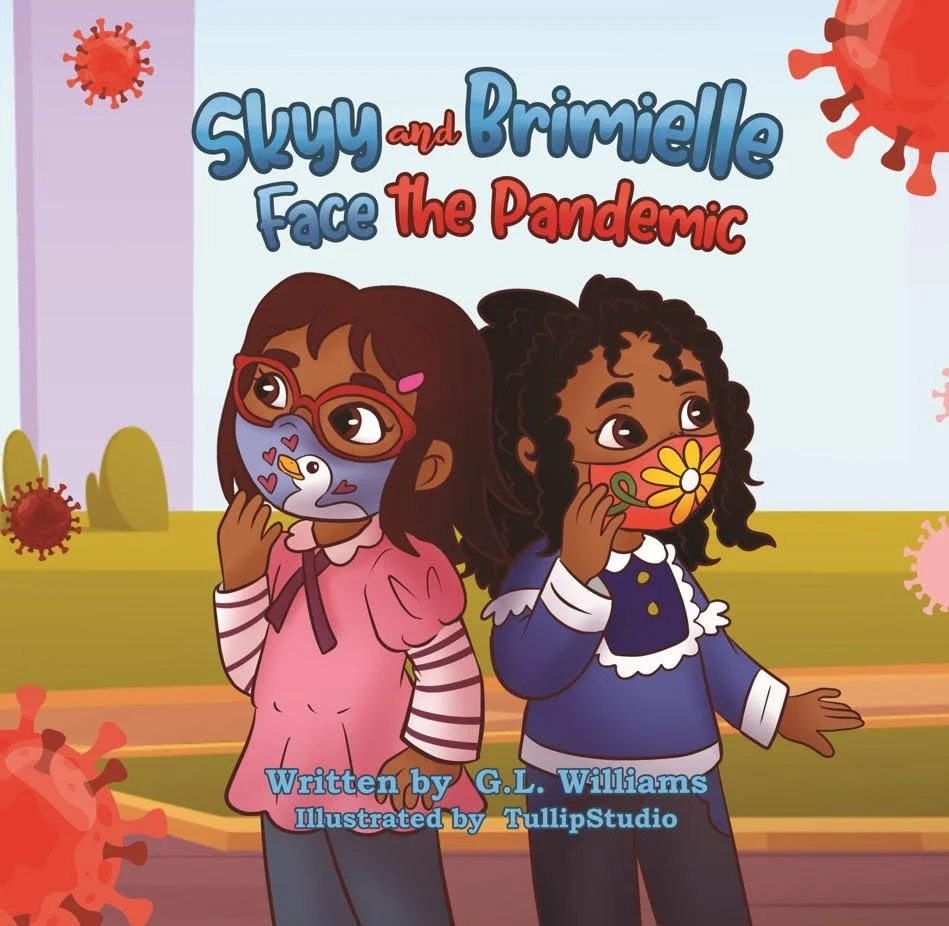
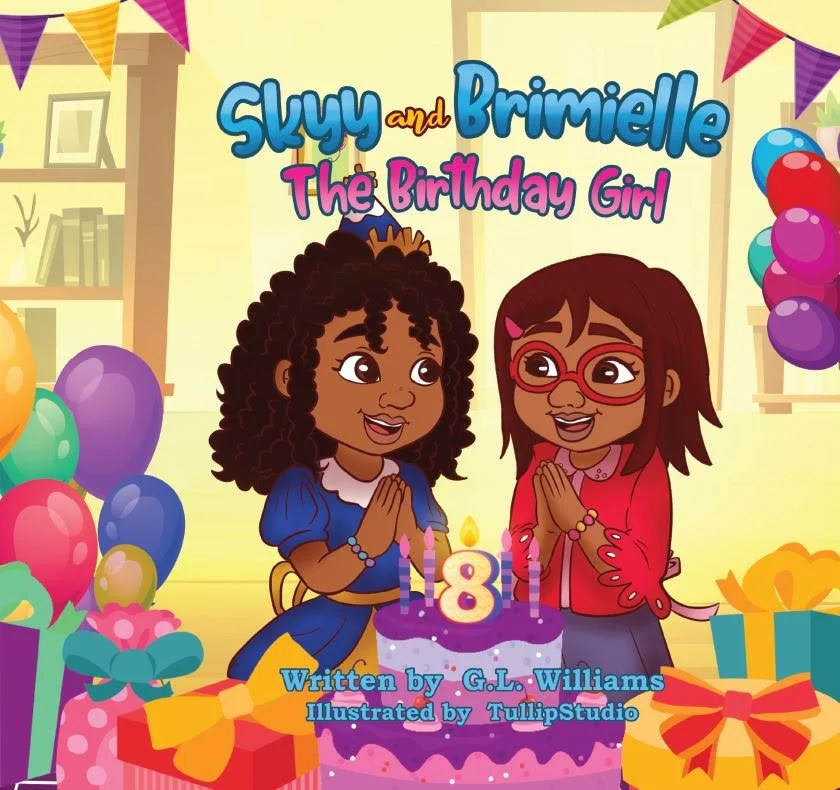
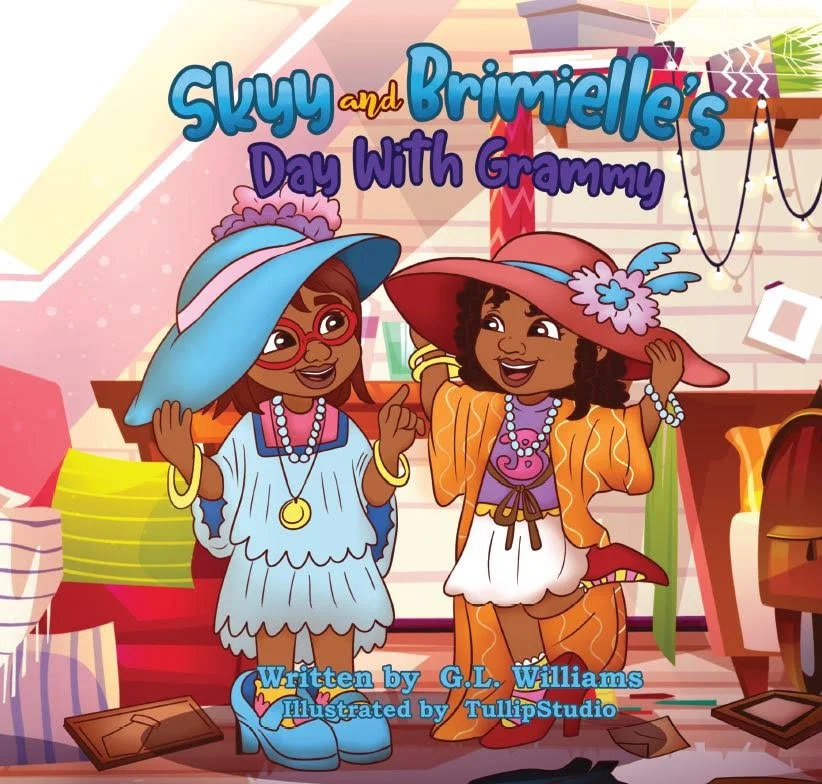
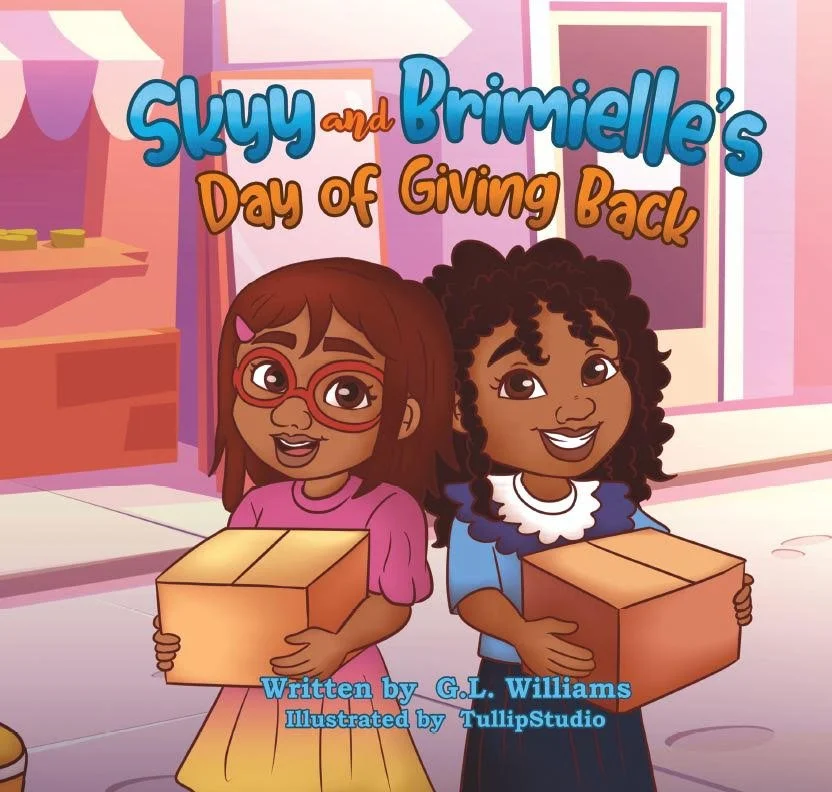
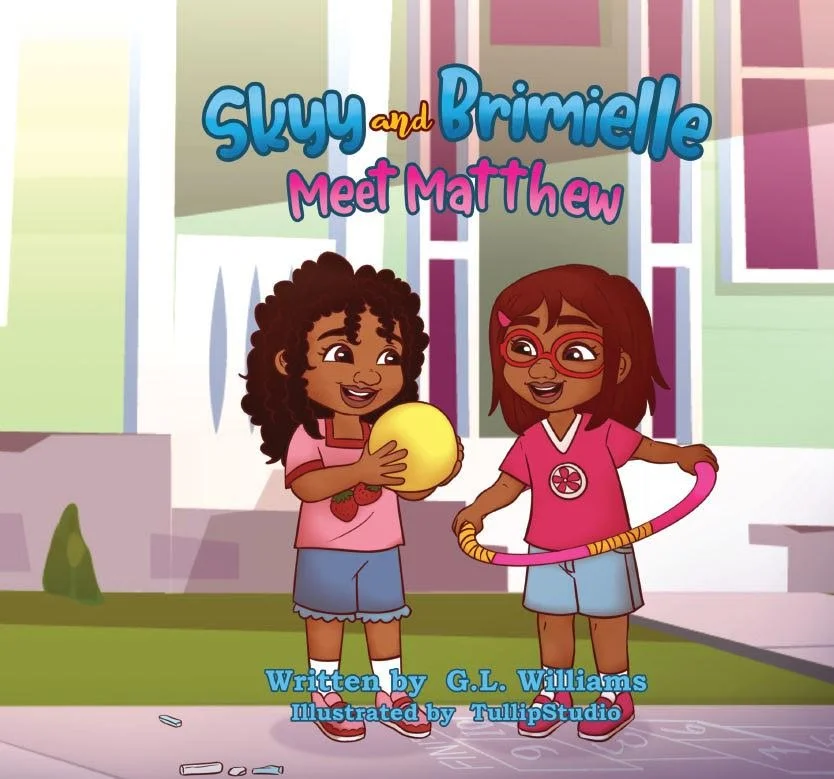
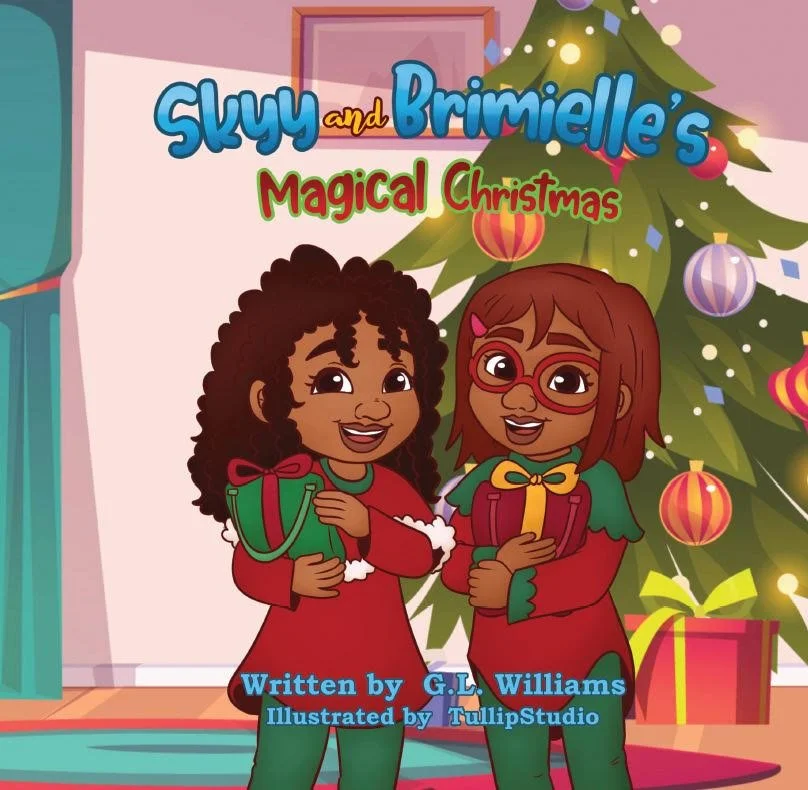
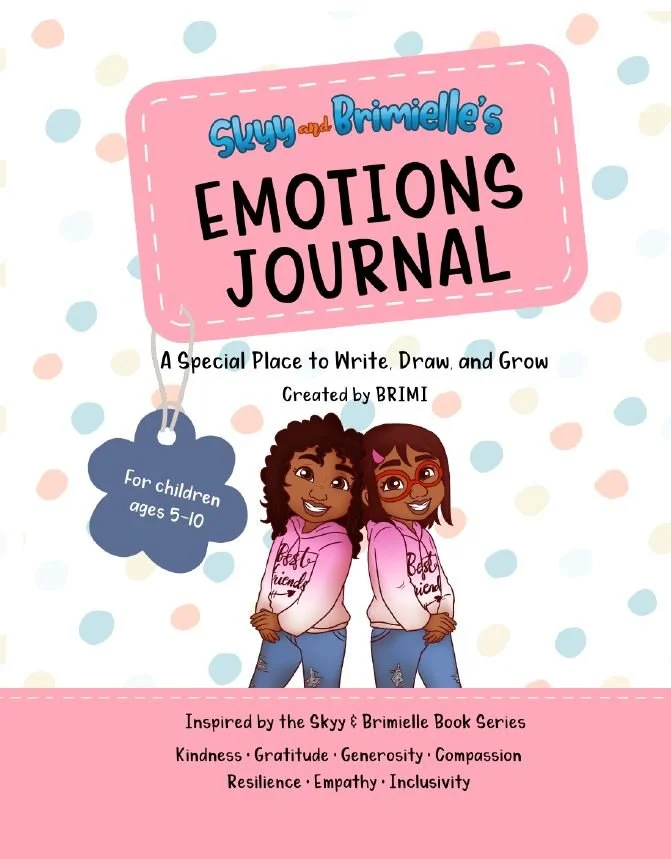
Children explore the Skyy and Brimielle stories centered around kindness, empathy, gratitude, resilience, compassion, inclusion, and other experiences they can recognize in their own lives. Adult facilitators use the stories and discussion questions to encourage children to share, listen, and talk together.
Ages 10–11 | BRIMI Story Helpers
Youth in this age group can take on an age-appropriate leadership role by helping an adult facilitator read stories and discussion questions with younger children. Story Helpers are encouraged to join the conversation too, giving them an opportunity to participate while helping younger children feel comfortable sharing.
Ages 12–16 | Self-Awareness & Reflection
Girls and boys use BRIMI self-awareness books and reflective resources to explore topics such as identity, confidence, emotions, relationships, choices, personal experiences, and self-worth. The resources are designed to open the door for honest reflection and meaningful conversation.
How the Project Works
The BRIMI Conversation Project is designed for use in small-group settings within schools, churches, libraries, mentoring programs, youth organizations, and other community spaces serving young people.
An adult facilitator guides the experience using BRIMI's book-based resources, questions, and activities. The goal is not to tell young people what to think or feel, but to create opportunities for them to talk, listen, reflect, connect, and discover more about themselves and one another.
BRIMI resources are conversation and reflection tools and are not intended to provide therapy, counseling, or mental health treatment.
-
The BRIMI Foundation is launching the BRIMI 100 Pilot to introduce the Conversation Project to a small group of local youth-serving organizations.
Through the pilot, 100 BRIMI book-based resources will be placed with community organizations for facilitators to use with small groups of children and teens.
Participating organizations will provide simple feedback about youth engagement, conversations, and overall response. What we learn will help us understand what connects with young people, what can be improved, and how the BRIMI Conversation Project can grow to serve more youth in the future.
-
Does your organization serve children or teens ages 5–16? We are looking for local organizations interested in introducing something new to their youth and helping us learn along the way.
Interested in learning more about becoming a BRIMI 100 Pilot Partner? Contact Us
-
The Skyy & Brimielle seven-book series uses relatable childhood experiences to help open conversations around kindness, empathy, gratitude, resilience, compassion, generosity, and inclusion. Each story centers on a different theme and gives facilitators an opportunity to ask questions, hear what children are thinking, and encourage them to connect the story to their own experiences.
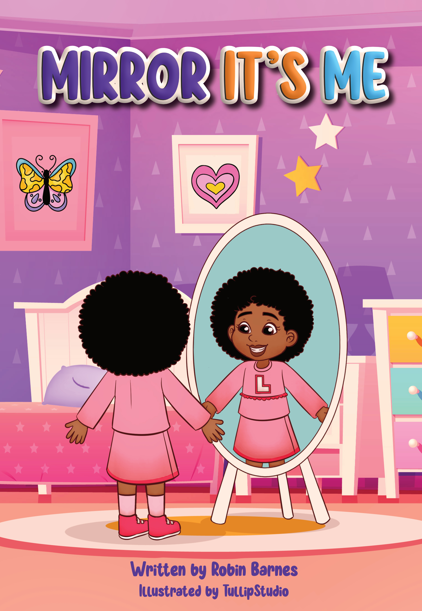
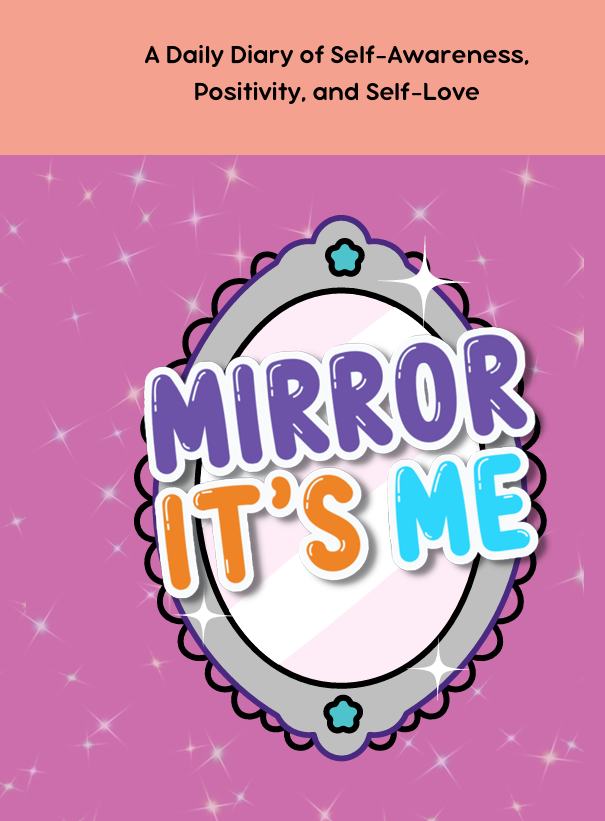
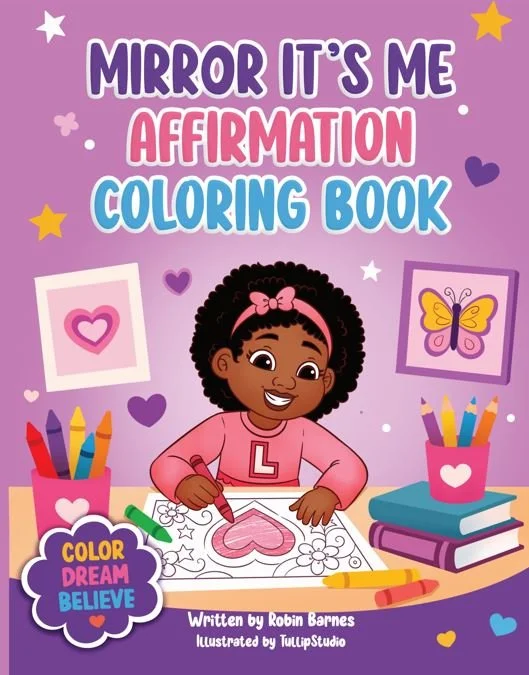
Mirror It's ME adds another opportunity for reflection by encouraging children to think about confidence, individuality, and feeling good about who they are.
Together, these resources give adults simple, age-appropriate ways to use stories as a starting point for meaningful conversations with children.
-
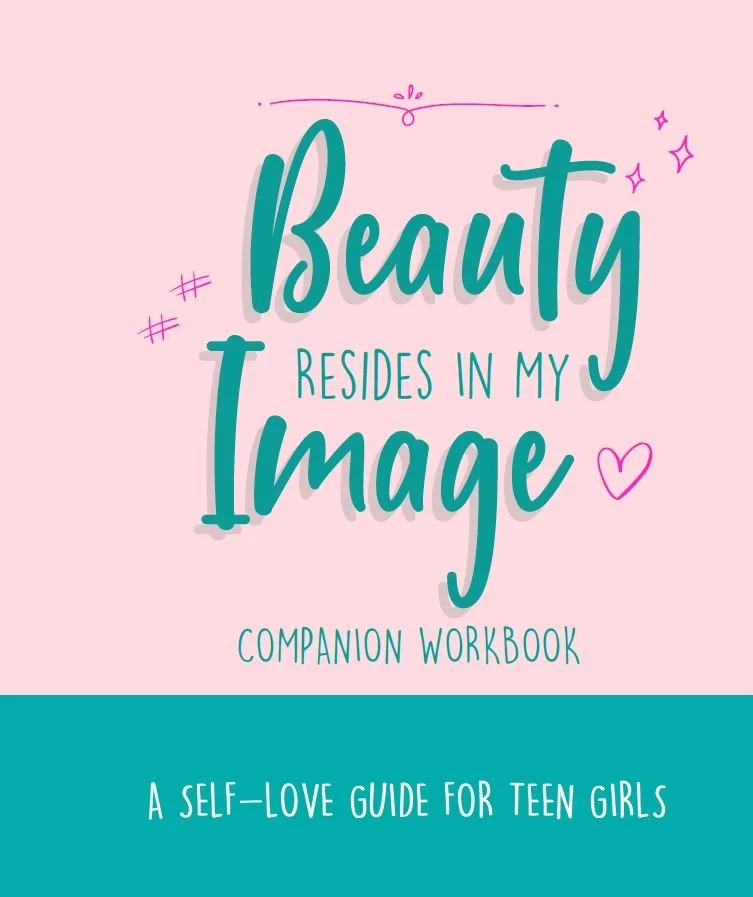
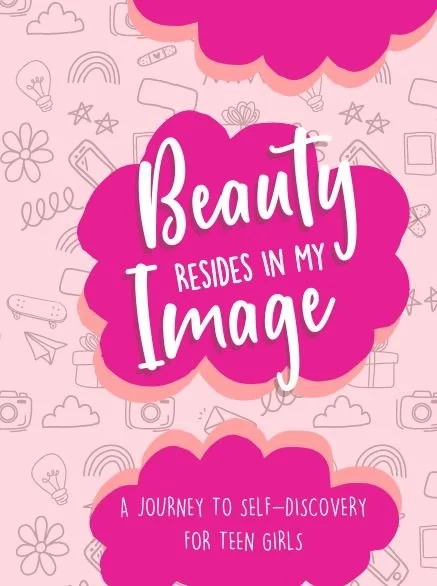
Teen Girls Resource
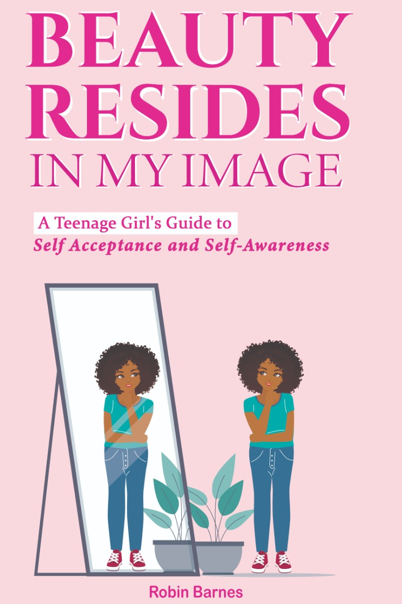
The BRIMI teen girls resource (Beauty Resides In My Image) gives girls ages 12–16 a space to explore self-awareness, confidence, identity, relationships, emotions, and self-worth. Through relatable topics, reflection, and conversation, girls are encouraged to think about their experiences, express themselves, and recognize the value of who they are becoming.
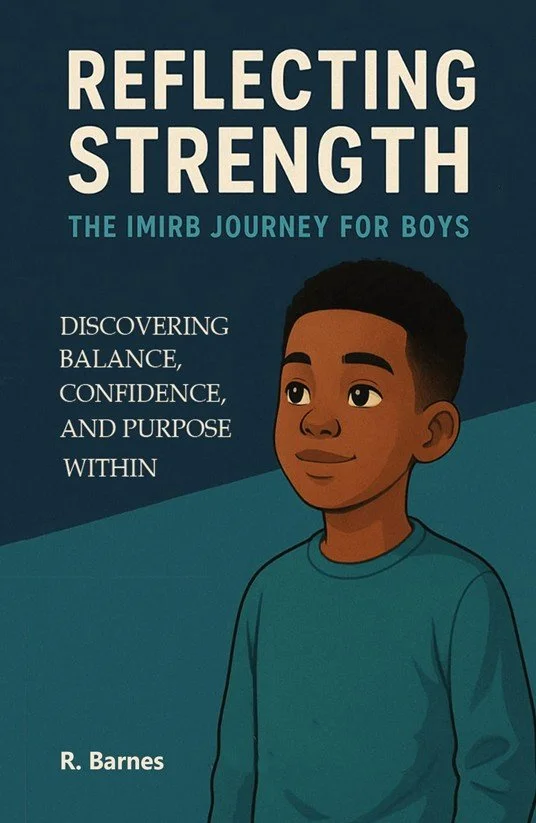
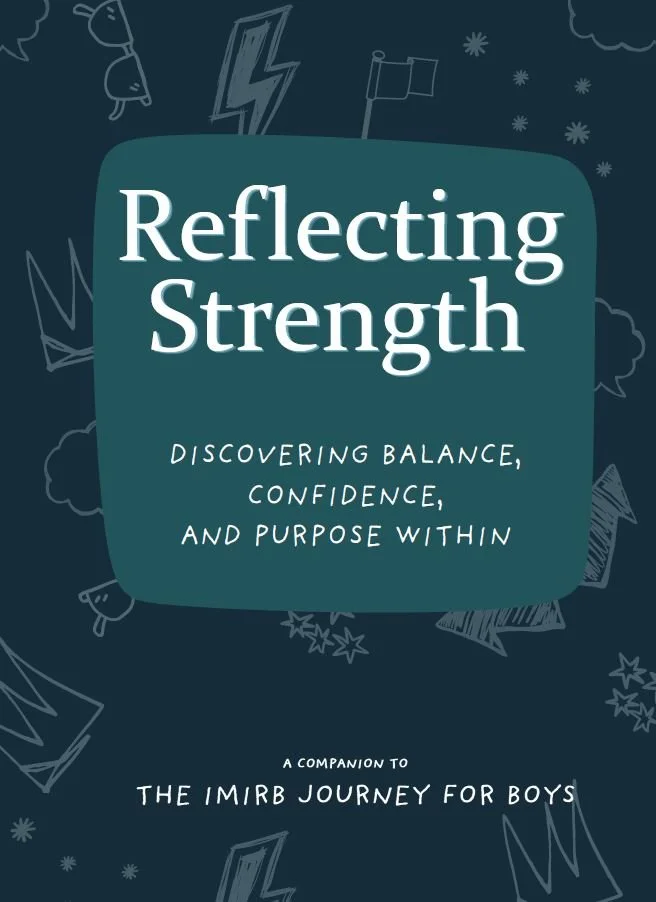
IMIRB Teen Boys Resource
IMIRB (I Matter I Reflect Balance) is BRIMI’s self-awareness resource for boys ages 12–16. Through relatable topics, reflection, and conversation, boys are encouraged to explore identity, emotions, choices, relationships, confidence, and self-worth while developing a stronger understanding of themselves and the value they bring to the world.